

Stone mountain carving play an important role in decoration and cultural inheritance in the campus environment. However, over time, stone sculpture can become damaged by a variety of factors, such as weather, human damage, and aging. To protect and restore stone mountain carving, here are a few common methods:
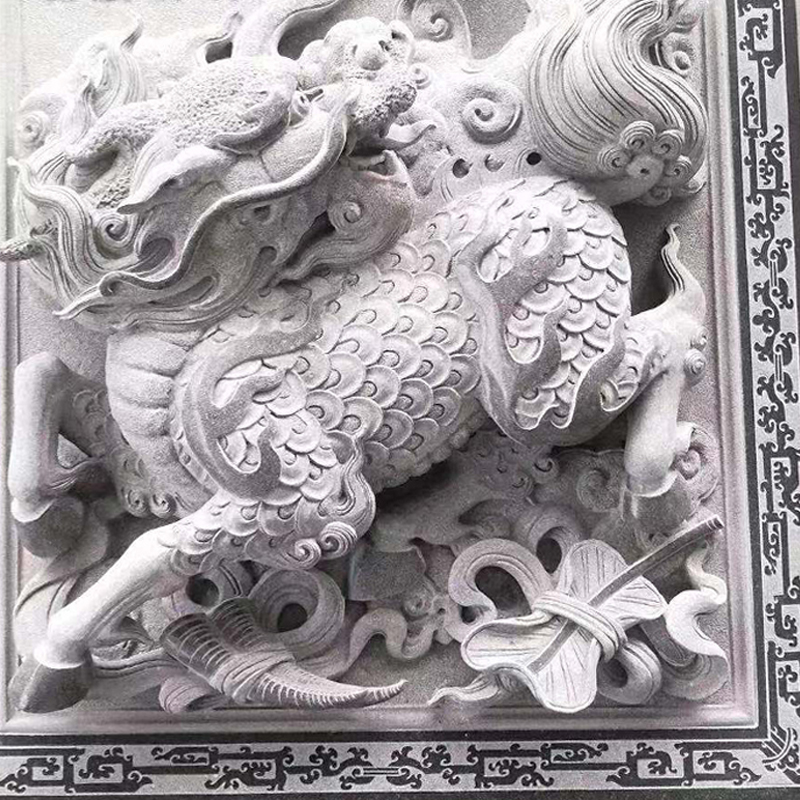
2. Anti-corrosion and anti-corrosion: stone mountain carving are often exposed to the outdoor environment and are easily corroded by rain, sunlight and pollutants in the air. In order to prevent stone sculpture from rusting and corroding, you can regularly apply anti-rust paint and protective agents to the stone sculpture to form a protective film.
3. Care and maintenance: Stone mountain sculptures are public property and need to be protected and cared for by teachers and students. If any problems such as damage or falling of stone sculpture are found, they should be reported to the relevant school departments in time, and corresponding repair measures should be taken, such as touch-up painting, welding, replacement of damaged parts, etc., to ensure the integrity and stability of the stone sculpture.
4. Environmental layout: In order to protect and repair stone sculpture, reasonable environmental layout can be carried out in the surrounding area. For example, planting flowers and plants around the stone sculpture, or setting up warning signs to prohibit people from climbing the stone sculpture, can reduce man-made destruction and damage to the stone sculpture.
5. Long-term protection: For larger and more complex stone mountain carving, it may be necessary to regularly hire a professional stone carving restorer for inspection and maintenance. They can provide more professional restoration methods, such as filling gaps, repairing broken parts, and restoring the original color of stone sculpture.
To sum up, the protection and restoration of stone mountain carving require a series of methods and measures to deal with different problems. In addition to the efforts of the school and the management department, it also requires the joint attention and participation of teachers and students to jointly protect and maintain the integrity and beauty of the stone mountain carving.