

Rust stains visible on stone carving materials or equipment before production or during the production process indicate that the appearance has been seriously contaminated. Before the facility is put into use, it must be rust-proofed. Thoroughly finished surfaces should be checked by iron test and/or water test.
Production often takes place in dusty areas. The air often contains a large amount of dust, which constantly falls on the surface of the equipment. These can be removed with water or alkaline substances. However, the attached dust must be cleaned with a high-pressure spray gun or steam.
When removing the scotch tape and protective paper, some adhesives adhere to the metal surface. If the adhesive is not hard enough, it can be removed using organic chemical flux. However, when they are exposed to light or air, the adhesive becomes corrosive, creating a source of void corrosion. It is then ground and polished with fine abrasive tools.
Welding defects such as misalignment, lack of fusion, pores, cracks, etc. not only reduce the strength of the welding, but also become a source of corrosion for brittle fractures. To mitigate this effect, they will also be loaded with solid particles during cleaning operations. This defect can be restored by re-welding or grinding and polishing and then re-welding.
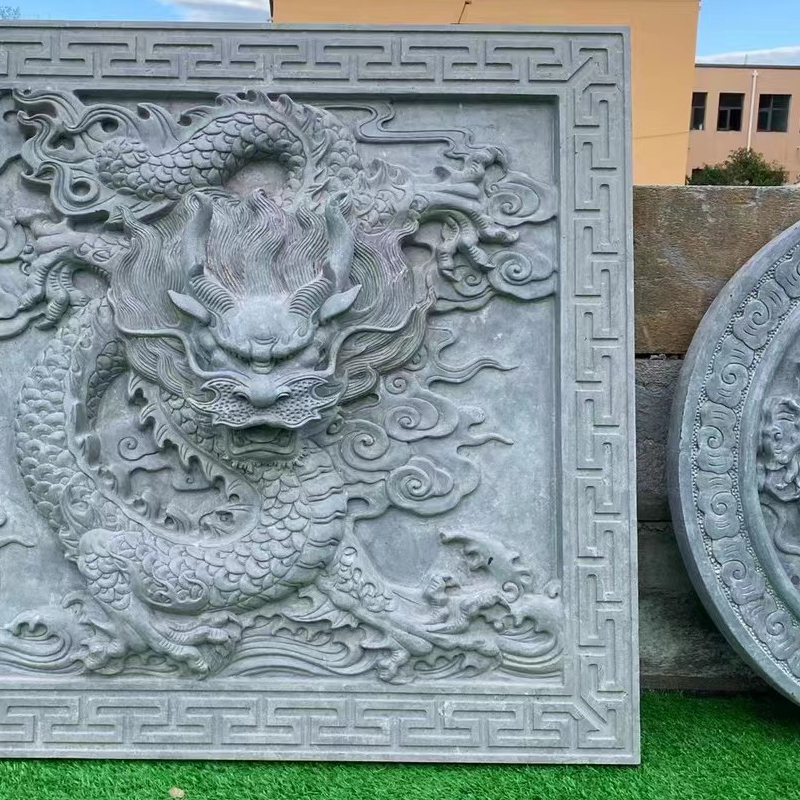
Although Stone Garden Decor last a long time, they do require maintenance. If the Stone Garden Decor is heavily stained, use cold air to blow dry it first. This is followed by cleaning with a straw brush,* followed by a soft bristle brush. Do not use metal polish, water or any other organic solvent. At this time, the color of the stone sculpture will fade. For gaps in Stone Garden Decor, wet a cotton ball with clean water and then scrub it along the cracks from beginning to end to prevent leaks. Once a year, decorate your stone garden with a thin layer of microcrystalline wax, a colorless wax.