

1. Wax removal: Because during the processing of stone mountain carving, a layer of release wax will be applied to the mold to facilitate demoulding, so there is a layer of wax on the surface of the product. If it is not clean, it will affect the quality of the paint. Cause defects such as paint peeling and oil bloom;
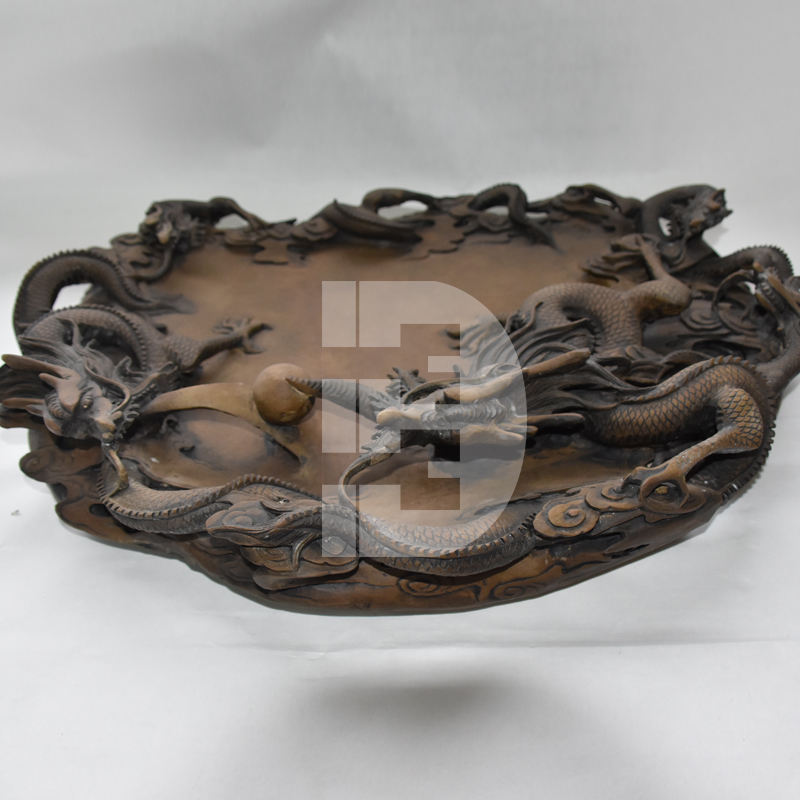
3. Grinding treatment: When spraying stone mountain sculptures, they must first have good surface effects. Even large and thick materials need to be roughly ground with an electric angle grinder and an emery cloth wheel. Even if the surface of the mold is relatively smooth after it comes out, you need to use a pneumatic powerful grinder to grind with coarse sandpaper, and then fill in the defective areas with putty.
To polish the putty, use a pneumatic medium grinder with 120-320 grit sandpaper. After grinding, fill in putty (red gray) as necessary to repair the putty layer, then grind with a pneumatic dense grinder with 400-600 grit sandpaper. Spray after grinding. For primer, use a dense grinder with 400-600 grit sandpaper to grind it tightly, then spray topcoat.
After the surface of the stone carving is treated, a layer of protective film is immersed or sprayed on to improve the aging resistance and weather resistance of the product. The dip molding process is suitable for small, regular-shaped products. The spraying process is suitable for products with large surface area and regular appearance.
When applying paint on stone mountain carving, you only need to ensure the adhesion and practicality of the paint before you can choose a suitable paint package. Adhesion: The use of epoxy light gray primer is the adhesion required for most coatings. For wind power work, special stone carving paint for wind power can be used. The practicality of paint depends on the environment in which the stone carving components are located, and the corresponding weather-resistant, super weather-resistant, acid-alkali-resistant, and oil-resistant topcoat categories are selected.